Style Deconstruction
Understanding how window treatments integrate with interior design elements to create cohesive, beautiful spaces.
Key Design Elements
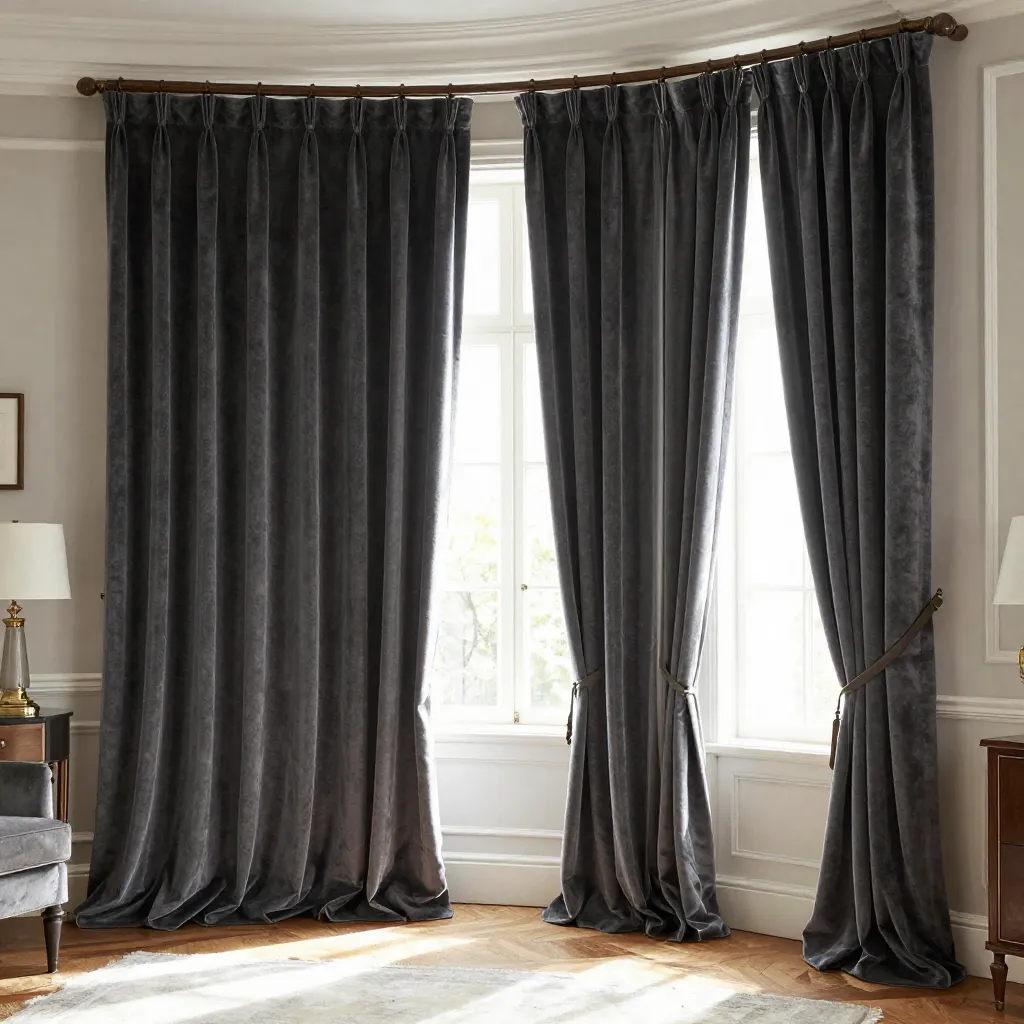
Wall Color Harmony
The gentle folds of linen drapery soften the industrial edges of metal furniture, establishing a harmonious contrast between warm textures and cool materials.
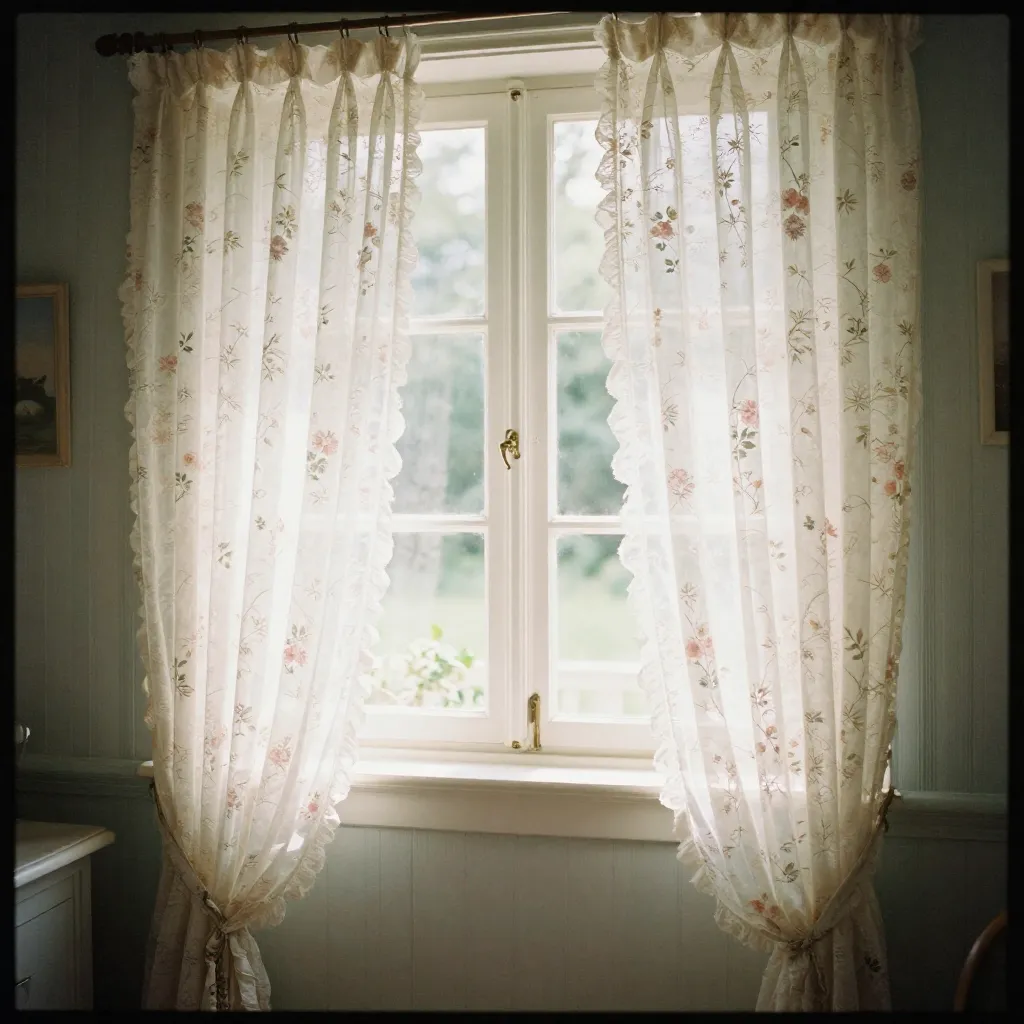
Flooring Integration
Window treatments are chosen to enhance flooring materials, whether hardwood, tile, or carpet, guaranteeing visual consistency throughout the space.
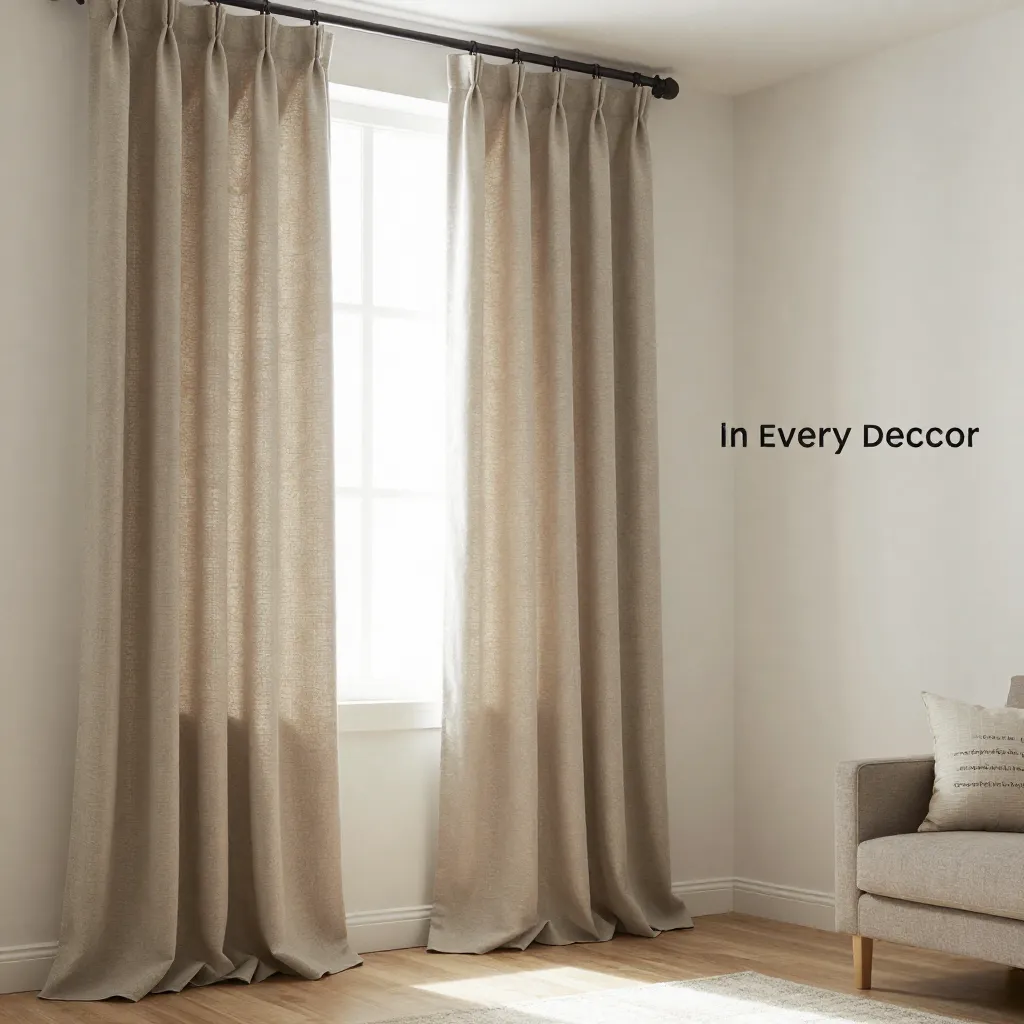
Furniture Style Matching
Curtain fabrics and patterns are carefully chosen to echo or contrast with furniture styles, reinforcing the overall aesthetic theme of the room.
Design Principles
Color Theory Application
Understanding how curtain colors interact with wall paint, furniture, and accessories is fundamental to creating harmonious interiors. Neutral tones provide flexibility, while bold colors create focal points.
Texture Layering
Successful interior design relies on varied textures. Smooth silk curtains contrast beautifully with rough-hewn wood, while heavy velvet adds weight to airy, minimalist spaces.
Proportion and Scale
Window treatment dimensions must be proportional to both the window size and the room's overall scale. Oversized drapery can overwhelm small spaces, while undersized treatments look incomplete in large rooms.
Light Management
Beyond aesthetics, curtains serve functional purposes. Sheer fabrics filter harsh sunlight while maintaining brightness, while blackout options provide privacy and darkness when needed.
Pattern Coordination
When mixing patterns, maintain visual hierarchy. If furniture features bold prints, choose subtle curtain patterns. Conversely, solid furniture allows for more dramatic window treatment patterns.
Style-Specific Guidelines
Minimalist Approach
Clean lines, neutral colors, and simple hardware. Focus on quality materials and precise tailoring rather than decorative elements.
Bohemian Style
Layered fabrics, mixed patterns, and eclectic hardware choices. Embrace texture and color for a relaxed, collected aesthetic.
Industrial Design
Raw materials, metal hardware, and structured silhouettes. Balance exposed elements with soft fabric textures.